What the immobilizer does
Almost every modern car has an immobilizer, an anti-theft system that only lets the engine run with a key it recognizes. A small chip in the key, or the smart key itself, sends a code to the car. If that code matches one stored in the car's computers, the engine starts. If it doesn't, the car stays put, even when the blade turns the ignition.
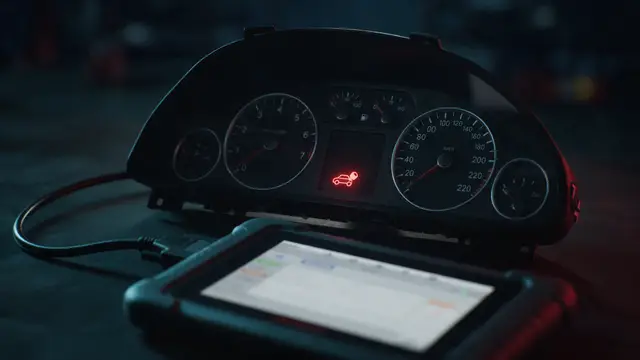
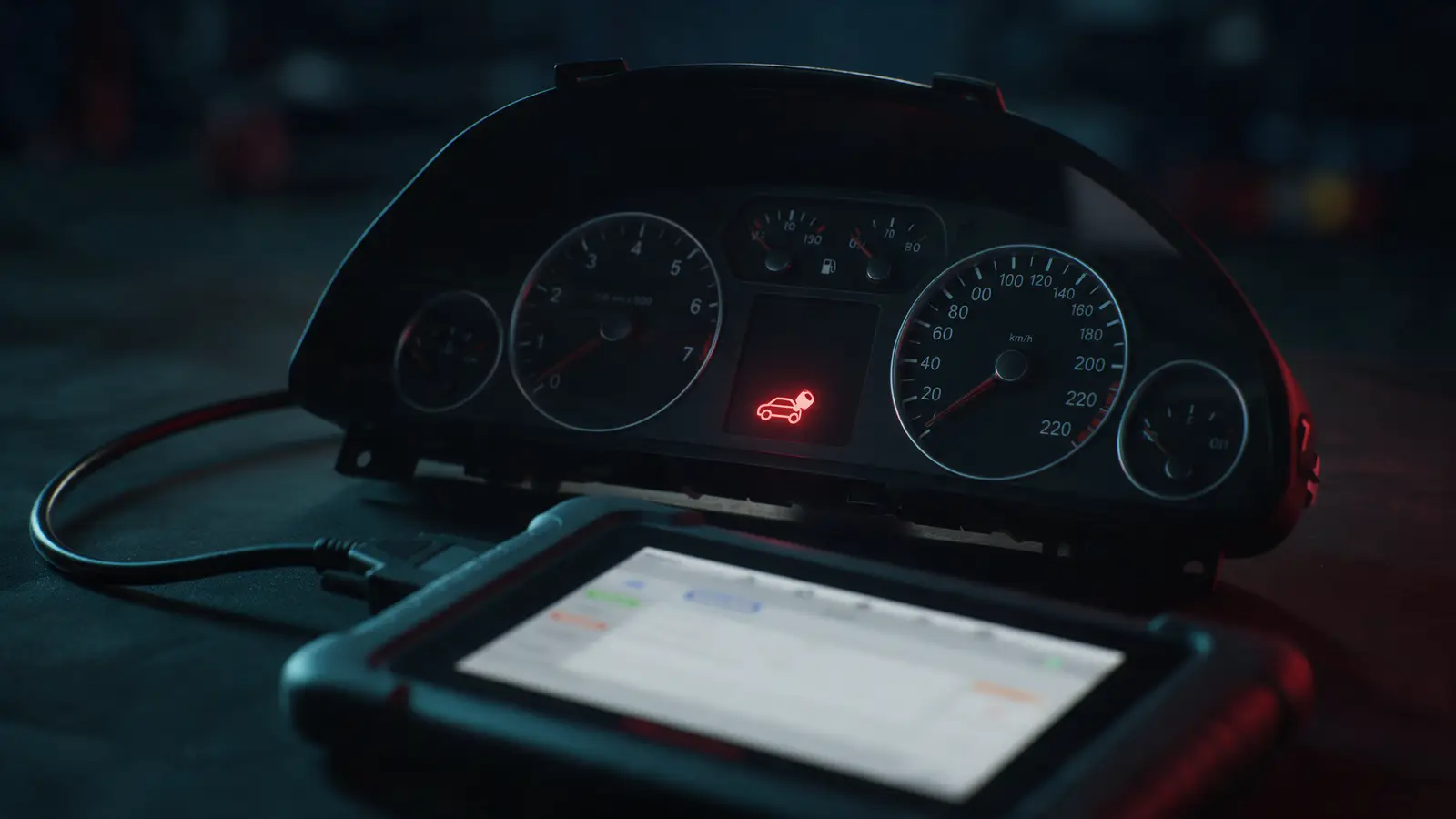
The immobilizer or security light on the dash shows what the system is doing. On many cars it comes on for a moment when you turn the key and then goes out. A slow blink while the car is off and locked is often normal. A light that stays on or flashes when you try to start usually means the key was not accepted.
Why a new key cranks but won't start
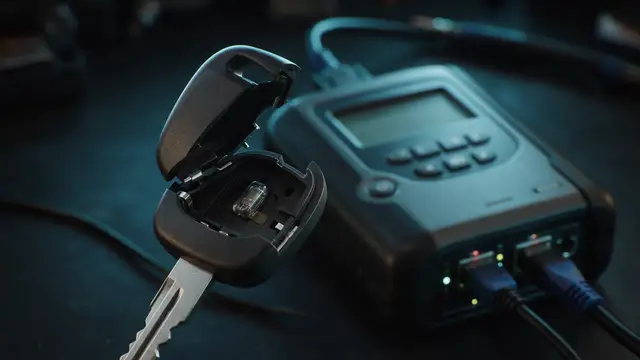
A very common case: someone has a key cut, it turns the ignition and the engine cranks, but it never starts, or it starts for a second or two and shuts off. The blade is fine. The chip inside the key has simply never been programmed to that car, so the car treats the key as a stranger and the immobilizer light stays on.
Copying the metal part of a key is not enough on a car with an immobilizer. The chip has to be cloned from a working key or programmed into the car with the right equipment. Many stores and online sellers sell the key itself, but the car still has to learn it before it will start.
Other common causes
Not every immobilizer light comes from a new key. A key that worked yesterday can stop being recognized today, and the cause is not always in the key. Before anything is replaced, it helps to know the usual suspects, because each one has a different fix:
- A chip that cracked or fell out after a drop
- A weak smart key battery or car battery
- A worn antenna ring around the ignition
- A replaced engine computer or body module not matched to the car
- A failing aftermarket remote starter or alarm
- A key programmed to a different car
What we check at the car
We start by scanning the car for security codes and checking whether it sees the key at all. We test the chip, the car battery and the antenna, and we check that the engine computer and the body module agree with each other. That tells us whether the key needs programming, a module needs to be matched, or a part has failed.
Then we fix the real cause: we program the key, clone a working key, or match a replaced module to the car. We don't remove or disable immobilizers. The goal is a car that recognizes your keys and keeps refusing everyone else's. If the job needs the dealer, we tell you honestly before we start.
What you can check before you call
A few checks are safe and easy. Try your spare key: if it starts the car, the problem is in the first key. Make sure the car battery isn't weak, since low voltage can confuse the security system. On a push-to-start car, try the backup start spot shown in your owner's manual. If none of that helps, call a car locksmith instead of cranking the engine over and over.